Blog
Yala National Park Sri Lanka: Best Wildlife & Leopard Safari
13 Sept 2026 · 5 min read
Yala National Park Sri Lanka: Best Wildlife & Leopard Safari
•5 min read•Blog
Yala National Park Sri Lanka: Wildlife, Leopards & Safari Adventure
If you are planning a Sri Lanka wildlife safari, Yala National Park should be high on your itinerary. Famous for its leopards, elephants, crocodiles, wild buffalo and incredible birdlife, Yala combines spectacular wildlife with one of the most beautiful natural landscapes in Sri Lanka.
Officially known as Ruhuna National Park, Yala is located in the southeastern part of Sri Lanka, where dry-zone forests, grasslands, lagoons, rocky outcrops, wetlands and the Indian Ocean come together to create an extraordinary wildlife habitat.
Yala National Park – A Wildlife Paradise in Sri Lanka
Yala is one of Sri Lanka's most famous national parks and one of the country's best-known destinations for wildlife safaris.
The park's dry climate, seasonal water sources and diverse habitats support a remarkable variety of animals. Several ancient irrigation tanks, natural waterholes and rock pools provide essential water for wildlife, particularly during the dry season.
As you travel through the park, the landscape can change dramatically. One moment you may be driving through dry forest; a few minutes later, the landscape opens into grassland or a lagoon surrounded by birds.
This diversity is one of the reasons a Yala safari is such an exciting experience.
Famous for Sri Lankan Leopards
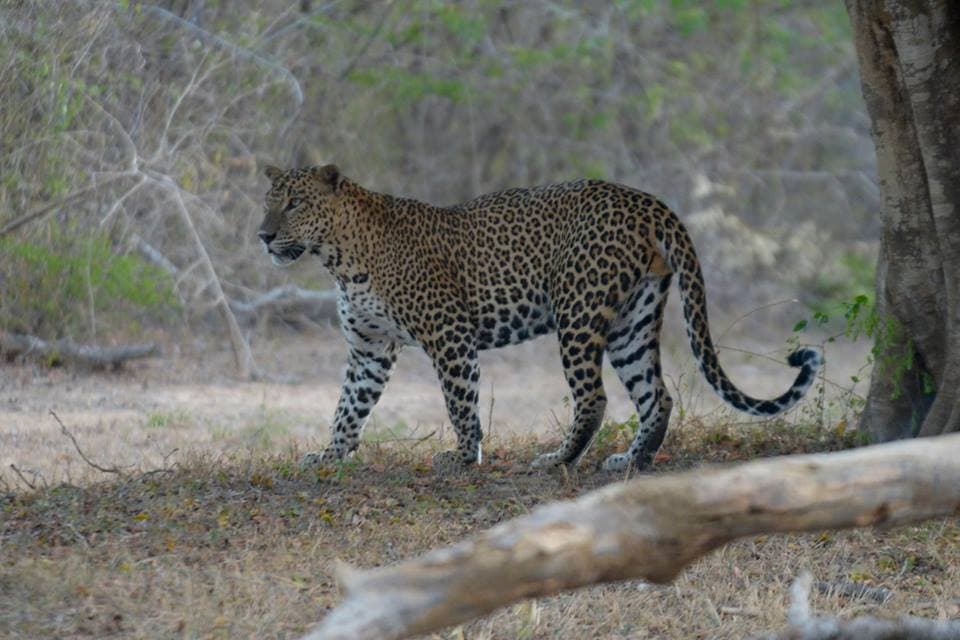
For many international travelers, the biggest attraction of Yala National Park is the Sri Lankan leopard.
Yala is internationally recognized for its leopard population, and the park has become one of the most popular places in Sri Lanka for travelers hoping to see these magnificent cats in the wild.
However, a leopard sighting is never guaranteed. These are wild animals, and they move through a huge natural environment. A responsible safari should focus on enjoying the complete wildlife experience rather than chasing a single animal.
Seeing a leopard resting on a rock, walking through the grassland or disappearing quietly into the forest can be an unforgettable moment.
More Than Leopards
Although leopards attract much of the attention, Yala is home to a wide variety of wildlife.
During a safari, you may encounter:
🐆 Sri Lankan leopards
🐘 Asian elephants
🐃 Wild water buffalo
🐊 Mugger crocodiles
🦌 Spotted deer
🐗 Wild boar
🐒 Toque macaques
🐒 Grey langurs
🦚 Sri Lankan peafowl
🦅 Eagles and other birds of prey
🐦 Many species of wetland and forest birds
The combination of mammals, reptiles and birdlife means that every safari can be different.
Yala's Beautiful Lagoons and Wetlands
One of the most attractive features of Yala is its network of lagoons, tanks and wetlands.
These water bodies are particularly important during the dry season. They attract elephants, buffalo, crocodiles and numerous species of birds.
The surrounding grasslands also provide excellent opportunities for wildlife viewing.
For photographers, the lagoons offer another advantage: wildlife can often be seen against beautiful open landscapes, creating dramatic photographs.
Yala and the Indian Ocean
Yala is not simply a landlocked wildlife destination.
The southeastern boundary of the park meets the Indian Ocean, creating an extraordinary combination of wildlife, forest, lagoons, sand dunes and untouched coastline.
The beaches and sand dunes within the park provide some of the most spectacular coastal scenery in Sri Lanka.
This meeting of wilderness and ocean makes Yala particularly special. Few safari destinations allow travelers to experience dry-zone wildlife and dramatic tropical coastline within the same protected landscape.
Far offshore are the Great Basses and Little Basses, two well-known rocky formations associated with historic lighthouses.
The Climate of Yala
Yala lies within Sri Lanka's dry zone and generally experiences a hot, dry climate.
Temperatures can become particularly high during the dry season, while rainfall is influenced mainly by the northeast monsoon between approximately November and January, together with intermittent inter-monsoonal rainfall.
The dry conditions are an important part of the park's ecosystem.
As water becomes scarcer, wildlife becomes increasingly dependent on permanent and seasonal water sources, making tanks, lagoons and natural waterholes important locations for animals.
The History of Yala National Park
Yala has a long history of wildlife protection.
The area was declared a national park in 1938, although conservation and game-management activities in the region began much earlier.
Historical accounts also connect the early management of the Yala Game Sanctuary with H.H. Engelbrecht, who became a game custodian in the area during the early twentieth century.
Today, Yala is an important part of Sri Lanka's protected-area network and plays a significant role in conserving the country's wildlife and natural habitats.
Ancient Water Tanks and Natural Rock Pools
One fascinating feature of Yala is the presence of old irrigation tanks alongside natural waterholes and rock pools.
Some natural rock pools can retain water even during periods of severe dryness.
These water sources are vital for wildlife.
During a safari, they can become excellent places to observe animals coming to drink, particularly when temperatures are high.
Best Time for a Yala Safari
Yala can be visited during the periods when the relevant park zones are open, but wildlife viewing conditions vary with rainfall, water availability and seasonal changes.
The drier months can provide excellent opportunities for observing wildlife because animals may gather around remaining water sources and vegetation becomes less dense.
However, wildlife sightings can never be guaranteed.
A good safari is about experiencing the ecosystem as a whole — from elephants and deer to crocodiles, birds, landscapes and, if you're lucky, a leopard.
Morning or Afternoon Safari?
Both morning and afternoon safaris can be rewarding.
Morning Safari
The early morning is cooler and often provides beautiful light for photography. Birds and other wildlife can also be active during the cooler hours.
Afternoon Safari
The afternoon safari provides another opportunity to explore the park as temperatures begin to fall.
Late afternoon can be particularly beautiful, with warm light over the grasslands, lagoons and forest.
If wildlife is a major priority during your Sri Lanka holiday, staying for more than one night and taking multiple safaris can give you more opportunities to explore different areas.
Responsible Yala Safari
Yala is home to wild animals, and responsible tourism is extremely important.
Visitors should never ask drivers to chase animals or move dangerously close to wildlife for photographs.
A good safari guide should respect the animals' space and follow park regulations.
The best wildlife photograph is not necessarily the closest photograph. Watching an elephant herd behaving naturally or a leopard quietly moving through its habitat is far more valuable than disturbing the animal for a better picture.
How to Include Yala in Your Sri Lanka Tour
Yala is easy to combine with several of Sri Lanka's most popular destinations.
A classic wildlife and hill-country itinerary could be:
Kandy → Nuwara Eliya → Ella → Yala → South Coast → Galle
For travelers interested in combining two major wildlife destinations:
Ella → Udawalawe → Yala → South Coast
This route allows travelers to experience Sri Lanka's mountains, waterfalls, tea country, wildlife and tropical beaches in one journey.
Yala Safari and the Southern Coast
One of the great advantages of visiting Yala is that it can be combined with Sri Lanka's southern beaches.
After a wildlife safari, travelers can continue towards destinations such as Tangalle, Mirissa, Weligama, Unawatuna or Galle for a relaxing beach experience.
This makes Yala particularly attractive for international visitors who want a combination of wildlife, adventure and tropical beaches.
Why Visit Yala National Park?
Yala offers much more than a traditional jeep safari.
Here you can experience:
Sri Lankan leopards
Wild elephants
Crocodiles and water buffalo
Colorful tropical birds
Lagoons and wetlands
Dry-zone forests
Grasslands and rocky landscapes
Natural rock pools
Wild beaches and sand dunes
Dramatic Indian Ocean scenery
It is this combination that makes Yala one of the most memorable wildlife destinations in Sri Lanka.
Plan Your Yala Wildlife Adventure
If you are searching for the best wildlife safari in Sri Lanka, Yala National Park deserves serious consideration.
Whether your dream is to photograph a Sri Lankan leopard, watch a herd of elephants, explore tropical wetlands or simply experience the wild side of Sri Lanka, Yala offers an unforgettable adventure.
For the best experience, allow enough time in your itinerary for more than one safari and combine Yala with Sri Lanka's hill country or southern beaches.
Yala is where Sri Lanka's wildlife, wilderness and ocean meet — creating one of the island's most spectacular travel experiences.
Ready to Explore Yala?
Include a Yala National Park safari in your Sri Lanka holiday and experience the island beyond its beaches and cultural attractions.
From the mountains of Ella to the wilderness of Yala and the beaches of the southern coast, Sri Lanka offers an incredible journey through nature, wildlife and adventure.