Travel Guide
Wilpattu National Park Sri Lanka: Wildlife, Leopards, Sloth Bears & Safari Adventure
13 Sept 2026 · 5 min read
Wilpattu National Park Sri Lanka: Wildlife, Leopards, Sloth Bears & Safari Adventure
•5 min read•Travel Guide
Wilpattu National Park Sri Lanka: A Wild, Untamed Safari Adventure
If you are looking for a wildlife safari in Sri Lanka away from the busiest tourist routes, Wilpattu National Park offers an unforgettable experience. Famous for its natural lakes, dense forests, leopards, sloth bears and elephants, Wilpattu is one of Sri Lanka's most fascinating wildlife destinations.
Spread across a vast wilderness in the northwestern part of the island, Wilpattu feels different from many of Sri Lanka's other national parks. Its dense forest, open grasslands and numerous natural waterholes create a peaceful and mysterious environment where wildlife can appear at any moment.
Where Is Wilpattu National Park?
Wilpattu National Park is located approximately 30 kilometres west of Anuradhapura and extends across parts of Sri Lanka's North Central and North Western Provinces.
The park is bordered by the Modaragam Aru to the south, Kala Oya to the north and the Indian Ocean to the west.
Covering approximately 131,000 hectares, Wilpattu is the largest national park in Sri Lanka by area.
Its enormous size means that visitors can experience a genuine sense of wilderness. Large areas of the park remain covered by natural forest, grassland and scrub, with relatively few signs of human development.
What Makes Wilpattu Different?
The name Wilpattu is closely associated with its most distinctive geographical feature — its villus, or natural lakes and water-filled depressions.
These shallow, basin-shaped water bodies are mainly fed by rainfall and provide essential water for wildlife.
There are numerous villus and lakes scattered throughout the park, and they create natural gathering places for animals.
During a safari, you may drive through dense forest and suddenly emerge beside a quiet lake where deer, buffalo, birds or crocodiles are waiting near the water.
This combination of forest and natural lakes gives Wilpattu a unique character.
A National Park Steeped in History and Legend
Wilpattu is not only a wildlife destination. The region is also deeply connected with Sri Lanka's history and legends.
According to popular tradition, Prince Vijaya is believed to have landed at Kudrimalai in the 6th century BC. Local legends also associate the area with Kuweni, who is said to have lived in the region.
Another historical tradition connects Prince Saliya, the son of King Dutugemunu, with Maradanmaduwa in Wilpattu more than 2,000 years ago.
The area around Pomparippu is also archaeologically significant, with ancient burial urns associated with the pre-Vijayan period having been discovered there.
The remains of an ancient harbour have also been identified between Palangaturai and Kollankanatte.
For travelers interested in combining wildlife and Sri Lankan history, Wilpattu offers a fascinating opportunity to experience both.
From Sanctuary to National Park
The Wilpattu area was first declared a wildlife sanctuary in 1905.
It was later upgraded to national park status on 25 February 1938.
Today, Wilpattu forms an important part of Sri Lanka's protected wilderness and provides habitat for numerous species of mammals, birds, reptiles and other wildlife.
Leopards of Wilpattu
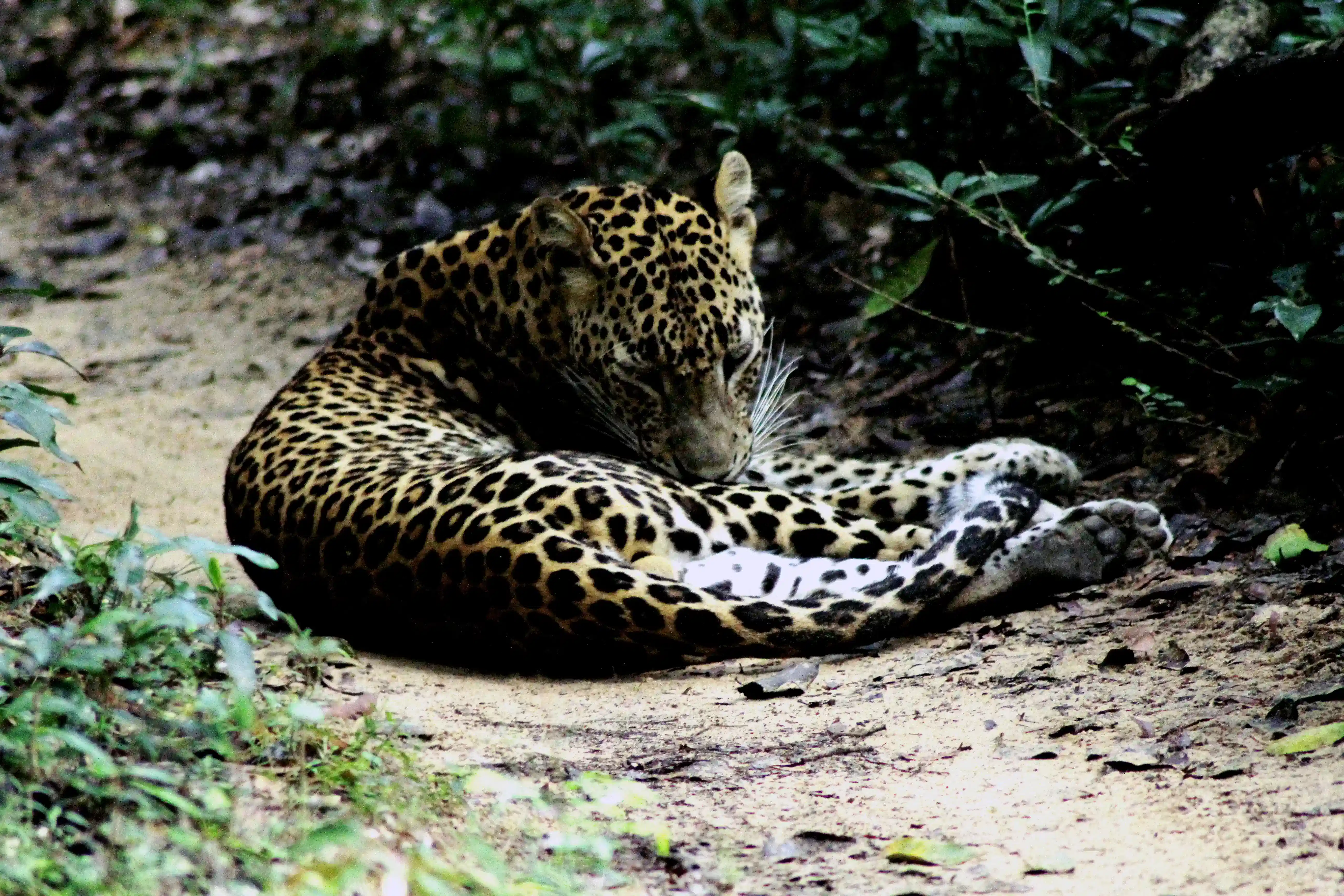
One of Wilpattu's biggest attractions is the Sri Lankan leopard.
Because of its enormous size and relatively dense forest, finding wildlife in Wilpattu can sometimes require patience. This is part of what makes a safari here so exciting.
A leopard may appear beside a villu, cross a track, rest under the shade of a tree or disappear into the forest within seconds.
Unlike a wildlife park where animals may be visible across large open plains, Wilpattu often provides a more mysterious forest-safari experience.
For photographers and serious wildlife enthusiasts, that sense of anticipation is part of the adventure.
Sloth Bears – Another Special Attraction
Wilpattu is also known for its Sri Lankan sloth bears.
Sloth bears are among Sri Lanka's most fascinating mammals and can be difficult to encounter in the wild.
They are generally associated with forest habitats and can be particularly active when food is abundant.
A sloth bear sighting during a Wilpattu safari can be one of the most memorable wildlife experiences of your Sri Lankan journey.
Elephants and Other Mammals
Wilpattu is home to a diverse range of mammals.
Depending on the season and your luck, a safari may reveal:
🐆 Sri Lankan leopard
🐻 Sri Lankan sloth bear
🐘 Asian elephant
🐃 Wild water buffalo
🦌 Spotted deer
🐗 Wild boar
🐒 Monkeys and langurs
🦌 Other species of deer and smaller mammals
The park's extensive forests provide important habitat for these animals.
Birdwatching in Wilpattu
Wilpattu is also an excellent destination for birdwatchers.
Its lakes, wetlands, forests and grasslands attract both resident and migratory birds.
Bird species recorded in the park include:
Garganey
Northern pintail
Lesser whistling duck
Eurasian spoonbill
Black-headed ibis
Great egret
Cattle egret
Purple heron
The villus are particularly valuable habitats for wetland birds.
For travelers carrying binoculars, a Wilpattu safari can become as much a birdwatching adventure as a search for large mammals.
Reptiles of Wilpattu
Wilpattu's lakes and forests also provide habitat for numerous reptiles.
Visitors may encounter:
Mugger crocodiles
Bengal monitors
Cobras
Rat snakes
Indian pythons
Pond turtles
Indian flapshell turtles
Indian star tortoises
Crocodiles are particularly associated with the park's permanent water bodies.
The Indian star tortoise can sometimes be seen moving across grassland and scrub areas.
The Forests of Wilpattu
The vegetation of Wilpattu changes across different parts of the park.
Near the coast, littoral vegetation includes salt-tolerant grasses and low scrub. Further inland, visitors encounter dry-zone forest with impressive trees such as Palu, Satin, Milla, Weera and Ebony.
The dense forest gives Wilpattu a more secluded and untouched atmosphere compared with some of Sri Lanka's more open national parks.
Wilpattu's Climate
Although Wilpattu is situated within Sri Lanka's dry zone, its extensive forests and numerous lakes create a landscape that can feel surprisingly green and humid in some areas.
The park receives an average annual rainfall of around 1,000 mm, with heavier rainfall generally occurring during the northeast monsoon period.
The wetter period is roughly from September to December, while the main dry period extends from approximately May to early September.
Weather conditions can influence wildlife movements and safari experiences, so local conditions should always be considered when planning a visit.
Nearly Sixty Lakes and Tanks
One of the most remarkable features of Wilpattu is the large number of natural lakes and water bodies spread across the park.
These villus are more than beautiful scenery — they are essential to the ecosystem.
They provide drinking water for elephants, deer, buffalo and other mammals while also creating important habitats for crocodiles, turtles and waterbirds.
During the dry season, these water sources become particularly important.
Best Time to Visit Wilpattu National Park
Wilpattu can be visited during much of the year, but wildlife viewing conditions change with rainfall and water availability.
The drier months can offer good opportunities to observe animals around remaining water sources, while the rainy season transforms the landscape with fresh vegetation and water-filled villus.
If your main goal is wildlife photography, consider allowing enough time for more than one safari rather than relying on a single game drive.
Wildlife is unpredictable, and every safari can be different.
Morning or Afternoon Safari?
Both morning and afternoon safaris can be rewarding.
Morning safaris offer cooler temperatures, beautiful light and active birdlife.
Afternoon safaris allow you to explore the park as temperatures begin to fall and animals become more active.
For serious wildlife enthusiasts, spending two or more nights in the Wilpattu area can provide more opportunities to explore different habitats.
Wilpattu vs Yala National Park
Travelers often ask whether they should visit Wilpattu or Yala.
Yala is particularly famous for leopard sightings and offers a combination of open landscapes, lagoons and coastal scenery.
Wilpattu provides a different experience, with its extensive forests, natural villus and quieter wilderness atmosphere.
If you have enough time, visiting both parks can provide two very different perspectives of Sri Lanka's wildlife.
How to Include Wilpattu in Your Sri Lanka Tour
Wilpattu works particularly well with a northern and cultural Sri Lanka itinerary.
For example:
Negombo → Anuradhapura → Wilpattu → Sigiriya → Kandy
Another option is:
Colombo → Anuradhapura → Wilpattu → Jaffna
For travelers interested in wildlife and beaches:
Wilpattu → Kalpitiya → Anuradhapura
This allows you to combine wildlife, ancient cities, local culture and Sri Lanka's northwestern coastline.
Responsible Wildlife Tourism
Wilpattu is a protected wilderness, and visitors have an important role to play in protecting it.
During a safari:
Keep a respectful distance from animals.
Never feed wildlife.
Do not ask drivers to chase animals.
Avoid loud noises.
Follow park regulations.
Take all rubbish with you.
Allow animals to move freely.
A responsible safari protects both wildlife and the quality of the experience for future visitors.
Why Visit Wilpattu National Park?
Wilpattu is ideal for travelers who want to experience a different side of Sri Lanka.
Here you can explore:
Ancient history + natural lakes + dense forest + leopards + sloth bears + elephants + birdlife + crocodiles + untouched wilderness.
The park's enormous size and unique villu landscape create a safari experience that feels wild, peaceful and adventurous.
For travelers searching for a Sri Lanka wildlife safari away from the busiest tourist areas, Wilpattu is an excellent choice.
Discover the Wild Side of Sri Lanka
Wilpattu National Park is more than a place to search for leopards.
It is an ancient landscape of forests, lakes, wildlife and legends — a place where history and nature exist side by side.
Whether you are a wildlife photographer, birdwatcher, nature lover or adventurous traveler, a Wilpattu National Park safari can become one of the highlights of your Sri Lanka holiday.
Come to Wilpattu to experience Sri Lanka's wilderness at its most natural — quiet, vast and full of surprises.