Blog
DiscoverSriLanka:SriLankaNationalParks&WildlifeSanctuaries|CompleteWildlifeTravelGuide
9/12/2026 · 5 min read
Discover Sri Lanka: Sri Lanka National Parks & Wildlife Sanctuaries | Complete Wildlife Travel Guide
9/12/2026•5 min read•Blog
Sri Lanka National Parks and Wildlife Sanctuaries – A Guide for Wildlife and Nature Lovers
Did You Know That Sri Lanka Is Home to National Parks and Wildlife Sanctuaries?
Sri Lanka is a small island, but it is blessed with an incredible variety of forests, wildlife, wetlands, mountains, rivers and coastal ecosystems.
For travelers planning a holiday in Sri Lanka, the country's national parks and wildlife sanctuaries offer some of the best opportunities to experience nature and wildlife up close.
From exciting wildlife safaris in Yala and Udawalawe to birdwatching in wetlands and exploring tropical forests, Sri Lanka has something for every nature lover.
Today, let's take a look at the national parks and wildlife sanctuaries of Sri Lanka and discover why protecting these natural treasures is so important.
________________________________________
Sri Lanka's Forests and Natural Environment
Sri Lanka has a remarkably diverse natural environment for an island of its size. Forests and other natural ecosystems provide habitats for elephants, leopards, sloth bears, deer, monkeys, birds, reptiles and countless other species.
Forest cover in Sri Lanka has changed considerably over the past century. Historical estimates indicate that forest cover was around 49% in the 1920s and declined substantially over the following decades.
The loss of forests and natural habitats is a serious environmental concern. Forests are essential for biodiversity, water resources, soil conservation and maintaining healthy ecosystems.
They are also an important part of Sri Lanka's tourism industry. Many travelers visit the island specifically to experience its wildlife, forests and natural landscapes.
Protecting these natural areas is therefore not only an environmental responsibility—it is also important for the future of sustainable tourism in Sri Lanka.
________________________________________
National Parks in Sri Lanka
Sri Lanka's national parks are protected areas established to conserve wildlife and natural habitats while providing opportunities for education, recreation and nature-based tourism.
The national parks are protected under Sri Lanka's wildlife conservation laws, including the Fauna and Flora Protection Ordinance. Visitors generally enter national parks with permits and must follow regulations established by the Department of Wildlife Conservation.
Some national parks are particularly important for wildlife tourism and attract visitors from around the world.
Among the best-known are:
• Yala National Park – famous for leopards, elephants and diverse wildlife
• Wilpattu National Park – Sri Lanka's largest national park and famous for its natural lakes, known as villus
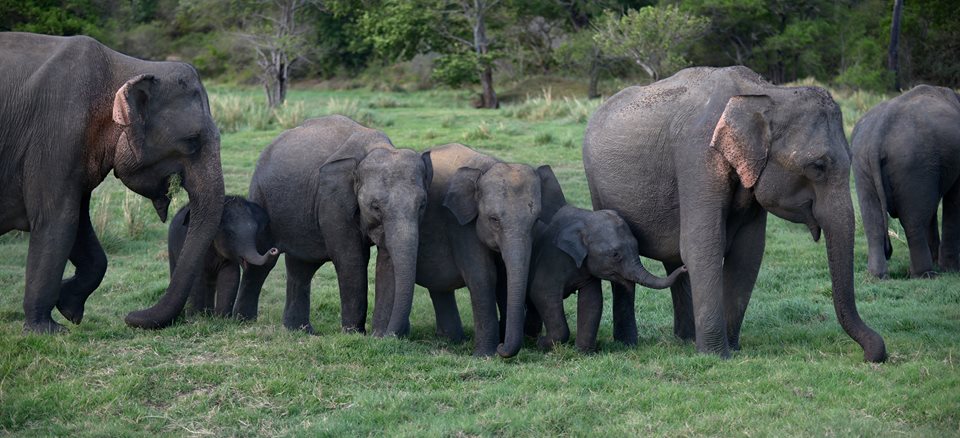
• Udawalawe National Park – one of the best places to see wild elephants
• Minneriya National Park – famous for large gatherings of Asian elephants
• Horton Plains National Park – a spectacular highland landscape with hiking opportunities
• Kumana National Park – particularly well known for birdlife
• Bundala National Park – an important wetland and birdwatching destination
• Gal Oya National Park – famous for its beautiful reservoir and unique boat safaris
National parks such as Maduru Oya, Udawalawe and Gal Oya also play an important role in protecting watersheds, forests and habitats for wildlife.
________________________________________
Sri Lanka National Parks by Size
Below is the list provided in the original source, arranged by approximate area in square kilometres. The ✅ symbol indicates parks that are generally open to visitors for wildlife tourism, subject to current Department of Wildlife Conservation regulations, seasonal closures and permit requirements.
1. Wilpattu National Park – 1,316.7 km² ✅
2. Yala National Park – 978.8 km² ✅
3. Madhu Road National Park – 630.0 km²
4. Maduru Oya National Park – 588.5 km²
5. Somawathiya National Park – 376.5 km²
6. Wasgamuwa National Park – 370.6 km² ✅
7. Udawalawe National Park – 308.2 km² ✅
8. Gal Oya National Park – 259.0 km² ✅
9. Lunugamvehera National Park – 235.0 km² ✅
10. Chundikulam National Park – 195.7 km² ✅
11. Adam's Bridge Marine National Park – 189.9 km²
12. Kumana National Park – 181.5 km² ✅
13. Flood Plains National Park – 173.5 km²
14. Minneriya National Park – 88.9 km² ✅
15. Angammedilla National Park – 75.3 km² ✅
16. Kaudulla National Park – 69.0 km² ✅
17. Bundala National Park – 62.2 km² ✅
18. Horton Plains National Park – 31.6 km² ✅
19. Horowpathana National Park – 25.7 km²
20. Delft National Park – 18.5 km²
21. Lahugala-Kithulana National Park – 15.5 km² ✅
22. Pigeon Island National Park – 4.7 km² ✅
23. Ussangoda National Park – 3.5 km²
24. Hikkaduwa National Park – 1.0 km² ✅
25. Galways Land National Park – 0.03 km² ✅
26. Horagolla National Park – 0.01 km² ✅
Park areas and visitor access can change according to official conservation and management decisions. Travelers should check current information before visiting.
________________________________________
The Best National Parks for a Sri Lanka Wildlife Safari
If you are planning a Sri Lanka wildlife holiday, several national parks stand out.
Yala National Park
Yala is probably the most internationally famous wildlife park in Sri Lanka. It is particularly popular with travelers hoping to see the Sri Lankan leopard, as well as elephants, sloth bears, crocodiles, deer and many species of birds.
A Yala safari is one of the most popular wildlife experiences in Sri Lanka.
Wilpattu National Park
Wilpattu is the largest national park in Sri Lanka and is famous for its distinctive natural lakes or villus.
The park has a more wilderness-oriented atmosphere and supports a wide variety of wildlife, including leopards, elephants, sloth bears, deer and many bird species.
Udawalawe National Park
If seeing elephants is high on your Sri Lanka travel wish list, Udawalawe National Park is an excellent choice.
The park's open landscapes make it particularly rewarding for wildlife photography and elephant sightings.
Minneriya National Park
Minneriya is internationally known for the seasonal gathering of wild Asian elephants around the Minneriya reservoir.
Depending on the season and current wildlife movements, large numbers of elephants can sometimes be seen gathering around the water and surrounding grasslands.
Horton Plains National Park
Located in Sri Lanka's central highlands, Horton Plains offers a completely different experience.
Instead of a traditional jeep safari, visitors can explore the highland landscape on foot, with grasslands, cloud forests, waterfalls and spectacular viewpoints.
Kumana National Park
Kumana is one of Sri Lanka's important birdwatching destinations. The park's wetlands and forests provide habitats for many resident and migratory birds.
For travelers interested in birdwatching in Sri Lanka, Kumana is a destination worth considering.
________________________________________
Wildlife Sanctuaries in Sri Lanka
National parks are not the only protected areas where visitors can experience Sri Lanka's incredible biodiversity.
The island also has numerous wildlife sanctuaries, protecting forests, wetlands, rivers, coastal ecosystems and other important habitats.
These sanctuaries are vital for conserving Sri Lanka's flora and fauna. Each protected area has its own character, from tropical forests and wetlands to coastal ecosystems and inland landscapes.
For travelers, these places offer opportunities to discover a quieter and often less-visited side of Sri Lanka's natural environment.
________________________________________
Sri Lanka Wildlife Sanctuaries – List
The following is the sanctuary list and approximate areas provided in the original source:
1. Victoria-Randenigala-Rantembe Sanctuary – 420.9 km²
2. Bar Reef Marine Sanctuary – 306.7 km²
3. Peak Wilderness Sanctuary – 223.8 km²
4. Kahalla-Pallekele Sanctuary – 216.9 km²
5. Trincomalee Naval Base Sanctuary – 181.3 km²
6. Seruwila-Allai Sanctuary – 155.4 km²
7. Gal Oya South-East Sanctuary – 152.8 km²
8. Elahera-Giritale Sanctuary – 140.4 km²
9. Gal Oya North-East Sanctuary – 124.3 km²
10. Senanayake Samudraya Sanctuary – 93.2 km²
11. Kudumbigala-Panama Sanctuary – 65.3 km²
12. Padaviya Tank Sanctuary – 64.8 km²
13. Sigiriya Sanctuary – 51.0 km²
14. Vavunikulam Sanctuary – 48.6 km²
15. Vankalai Sanctuary – 48.4 km²
16. Yoda Wewa Sanctuary – 43.3 km²
17. Giant's Tank Sanctuary – 43.3 km²
18. Anuradhapura Sanctuary – 35.0 km²
19. Bundala-Wilmanna Sanctuary – 33.4 km²
20. Wilmanna Sanctuary – 33.4 km²
21. Welipara Sanctuary – 30.7 km²
22. Dahaiyagala Sanctuary – 26.9 km²
23. Kalametiya Sanctuary – 25.3 km²
24. Maduganga Sanctuary – 23.0 km²
25. Tabbowa Sanctuary – 21.9 km²
26. Kokkilai Sanctuary – 20.0 km²
27. Ravana Ella Sanctuary – 19.3 km²
28. Buddhangala Sanctuary – 18.4 km²
29. Polonnaruwa Sanctuary – 15.2 km²
30. Telwatte Sanctuary – 14.3 km²
31. Anawilundawa Sanctuary – 14.0 km²
32. Madampawila Sanctuary – 12.2 km²
33. Nimalawa Sanctuary – 10.7 km²
34. Muthurajawela B I Sanctuary – 10.3 km²
35. Muthurajawela B II Sanctuary – 10.3 km²
36. Katagamuwa Sanctuary – 10.0 km²
37. Mihintale Sanctuary – 10.0 km²
38. Madunagala Sanctuary – 10.0 km²
39. Kataragama Sanctuary – 8.4 km²
40. Wilpattu North Sanctuary – 6.3 km²
41. Sagaman Sanctuary – 6.2 km²
42. Mahakandarawa Wewa Sanctuary – 5.2 km²
43. Kimbulwana Oya Sanctuary – 4.9 km²
44. Sri Jayawardenepura Sanctuary – 4.5 km²
45. Bellanwila-Attidiya Sanctuary – 3.7 km²
46. Kirala Kele Sanctuary – 3.1 km²
47. Godawaya Sanctuary – 2.3 km²
48. Paraputuwa-Meheni Sanctuary – 1.9 km²
49. Elluwila Yaya Sanctuary – 1.9 km²
50. Rumassala Sanctuary – 1.7 km²
51. Weerawila-Tissa Sanctuary – 1.3 km²
52. Welhilla-Katagilla Sanctuary – 1.3 km²
53. Thangamale Sanctuary – 1.3 km²
54. Kurulu Kele Sanctuary – 1.1 km²
55. Udawatte Kele Sanctuary – 1.0 km²
56. Paraitivu Island Sanctuary – 1.0 km²
57. Great Sober Island Sanctuary – 0.7 km²
58. Kotuattawala Sanctuary – 0.4 km²
59. Maimbulkanda-Nittabuwa Sanctuary – 0.2 km²
60. Kodigahakanda Sanctuary – 0.1 km²
61. Honduwa Island Sanctuary – 0.1 km²
62. Little Sober Island Sanctuary – 0.1 km²
63. Kirama Oya Sanctuary – 0.1 km²
64. Medinduwa Sanctuary – approximately 0 km²
65. Rock Islands Sanctuary – approximately 0 km²
________________________________________
Why You Should Visit Sri Lanka's National Parks
Sri Lanka is one of the world's most rewarding destinations for nature and wildlife experiences.
Within a relatively small island, travelers can experience:
• 🐘 Wild Asian elephants
• 🐆 Sri Lankan leopards
• 🐻 Sloth bears
• 🦌 Spotted deer and other mammals
• 🦜 Hundreds of bird species
• 🐊 Crocodiles and reptiles
• 🐋 Marine wildlife
• 🌿 Tropical rainforests
• ⛰️ Misty mountain forests
• 🌊 Wetlands, lagoons and coastal ecosystems
One of the great advantages of traveling in Sri Lanka is the opportunity to combine wildlife safaris with beaches, cultural attractions, mountains, tea plantations and traditional villages in the same holiday.
You could enjoy a safari in Yala, explore the ancient cultural sites of the Cultural Triangle, walk through the misty highlands of Horton Plains and finish your journey relaxing beside the Indian Ocean.
________________________________________
Plan Your Sri Lanka Wildlife Adventure
If you are planning a trip to Sri Lanka and love wildlife, nature, photography and adventure, make sure you include at least one national park or protected area in your itinerary.
Yala, Wilpattu, Udawalawe, Minneriya, Kaudulla, Horton Plains, Kumana and Gal Oya are among the destinations worth considering, depending on the season and the type of wildlife experience you are looking for.
Every park is different, and that is what makes a Sri Lanka wildlife safari so special.
These forests, wetlands and protected areas belong not only to today's generation but also to future generations. Protecting Sri Lanka's natural heritage is everyone's responsibility.
So, when you visit Sri Lanka, don't just see the beaches and cultural attractions—take time to discover the wild side of Sri Lanka.
You may leave with some of the most unforgettable memories of your journey. 🌿🐘🐆
Come and experience the wild beauty of Sri Lanka.