Blog
MaduruOyaNationalParkSriLanka:ElephantSafari,Wildlife&TravelGuide
9/25/2026 · 5 min read
Maduru Oya National Park Sri Lanka: Elephant Safari, Wildlife & Travel Guide
9/25/2026•5 min read•Blog
Maduru Oya National Park, Sri Lanka: An Off-the-Beaten-Path Wildlife Adventure
If you are searching for a lesser-known wildlife destination in Sri Lanka, where elephants roam through forests and open landscapes and the scenery feels far removed from the busy tourist routes, consider adding Maduru Oya National Park to your Sri Lanka itinerary. 🐘🌿🇱🇰
Located in the eastern-central part of the island, Maduru Oya is one of Sri Lanka's important protected areas and forms part of the wider landscape created and transformed by the Mahaweli Development Programme.
The park was established not only to protect wildlife but also to safeguard important catchment areas associated with the Mahaweli irrigation system. The Department of Wildlife Conservation specifically identifies Maduru Oya, together with Udawalawe and Gal Oya, among national parks established for catchment protection and to provide habitat for animals displaced by major irrigation projects.
Today, Maduru Oya is particularly interesting for travellers who want to experience wild elephants, nature, photography, birdwatching and a quieter side of Sri Lanka.
🐘 Why Visit Maduru Oya National Park?
Maduru Oya is best known for its elephants and extensive natural landscapes.
Sri Lanka Tourism describes the park as home to nearly 200 elephants, making it an important destination for elephant watching.
The park's combination of forests, grasslands, water bodies and surrounding wilderness provides habitat for a variety of wildlife.
During a safari, you may encounter:
🐘 Sri Lankan elephants
🦌 Spotted deer
🐃 Wild buffalo
🐗 Wild boar
🐒 Monkeys
🐊 Crocodiles
🦎 Reptiles
🦚 Peafowl
🦅 Birds of prey
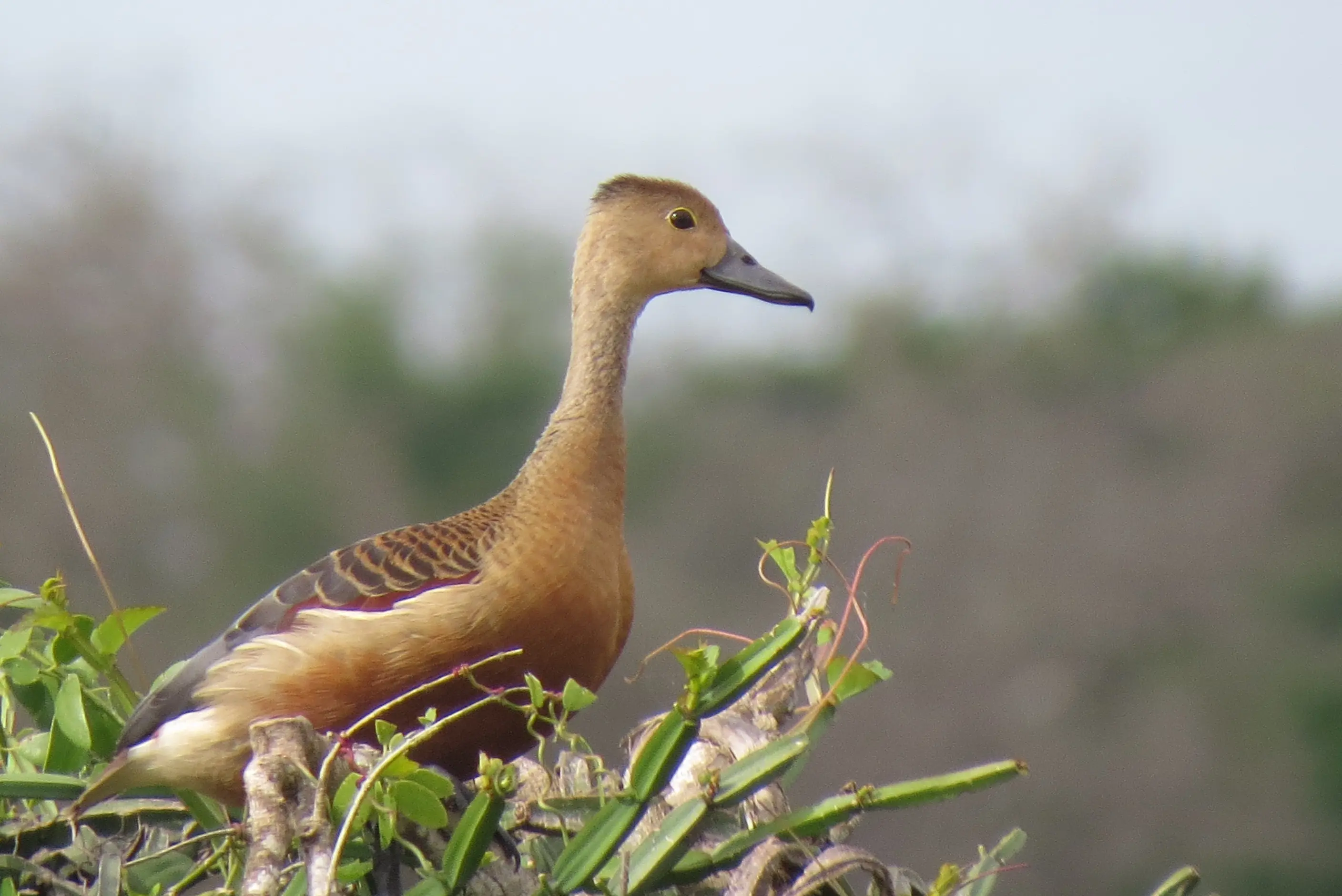
🐦 Many other bird species
Sightings are never guaranteed because this is a genuine wildlife environment.
That is part of the attraction.
You are entering the animals' world rather than visiting an attraction where wildlife is placed on display.
🌿 A National Park Created Around Water and Wildlife
Water is central to the story of Maduru Oya.
The park is closely connected with reservoirs and catchment areas developed through the Accelerated Mahaweli Development Programme.
The protection of these catchments is important not only for wildlife but also for the wider irrigation and agricultural system.
The Mahaweli project transformed large parts of Sri Lanka's dry zone by developing reservoirs, irrigation systems, agricultural land and new settlements.
Maduru Oya National Park became an important protected area within this landscape.
The result is an interesting combination of:
🌊 Reservoirs
🌿 Forest
🐘 Wildlife
🌾 Dry-zone landscapes
🏞️ River and catchment ecosystems
🐘 The Elephants of Maduru Oya
For many visitors, elephants are the main reason to visit Maduru Oya.
Sri Lanka Tourism notes that elephants gather around the reservoir and that herds can sometimes be seen spread across the landscape, feeding peacefully.
Imagine driving slowly through the dry-zone wilderness when you suddenly notice movement in the distance.
A large grey shape appears between the trees.
Then another.
And another.
Before long, you realise that you are looking at an entire elephant herd.
This is the kind of encounter that makes a Sri Lankan wildlife safari unforgettable.
🚙 Maduru Oya Safari Experience
A safari in Maduru Oya is generally experienced from a 4WD safari jeep.
Unlike a city sightseeing tour, there is no fixed list of animals that you will definitely see.
Your driver and guide will look for tracks, movement, sounds and signs of wildlife while taking you through the park.
Depending on the day, you might spend time watching:
Elephants feeding
Deer crossing the road
Birds around water
Crocodiles near wetlands
Monkeys moving through trees
Buffalo grazing in open areas
And sometimes you may drive for a while without seeing a large animal.
That is wildlife.
Patience is one of the most important parts of a safari.
📸 Maduru Oya for Wildlife Photography
If you enjoy photography, Maduru Oya can provide excellent opportunities.
The open landscapes around the reservoir can create beautiful backgrounds for elephant photography, particularly when the light is soft.
Bring:
Camera
Telephoto or zoom lens
Binoculars
Spare batteries
Power bank
Sunglasses
Hat
Drinking water
A telephoto lens is particularly useful because you should never ask a safari driver to approach an animal simply to get a closer photograph.
Good wildlife photography begins with respect for wildlife.
🌅 The Reservoir and Sunset
The Maduru Oya Reservoir adds another dimension to the experience.
Sri Lanka Tourism specifically highlights the reservoir landscape and notes that evening can be a particularly attractive time to enjoy the reservoir and sunset.
As the sun drops towards the horizon, the dry-zone landscape can change dramatically.
The golden light reflects across the water while birds return to their resting places and wildlife becomes more active.
For photographers and nature lovers, this can be a wonderful way to end a day around Maduru Oya.
🐦 Birdwatching in Maduru Oya
Maduru Oya is not only about elephants.
Sri Lanka's national parks support an extraordinary diversity of birdlife, with resident, endemic and migratory species found across the country's different ecosystems.
The combination of water, woodland and open country around Maduru Oya creates opportunities for birdwatching.
Keep your binoculars ready.
Even when there are no elephants nearby, the landscape can remain full of life.
🗺️ Where Is Maduru Oya National Park?
Maduru Oya is situated in Sri Lanka's dry zone, extending across areas associated with the Polonnaruwa, Ampara and Badulla districts.
The park lies between important roads connecting the interior of the island with the eastern region.
Its location makes it possible to combine Maduru Oya with destinations such as:
Polonnaruwa
Mahiyanganaya
Kandy
Batticaloa
Wasgamuwa
Minneriya
Sigiriya
This makes Maduru Oya particularly interesting for travellers who want to explore beyond the most common Sri Lanka tourist circuit.
🚗 How to Get to Maduru Oya National Park
For travellers approaching from Colombo, a practical route is through:
Colombo → Kurunegala → Dambulla → Habarana → Polonnaruwa → Manampitiya → Maduru Oya
Your original source places the park at approximately 265 km from Colombo, although actual driving distance and time depend on the precise entrance and route used.
The northern approach is associated with the Manampitiya area, while other approaches can be made from the Mahiyangana/Padiyatalawa side.
For international travellers, a private vehicle with a local driver can make the journey considerably easier, particularly if Maduru Oya is being combined with several other destinations.
🌴 Maduru Oya from Kandy
Maduru Oya can also be incorporated into an itinerary beginning in Kandy.
One interesting route is:
Kandy → Mahiyanganaya → Maduru Oya → Polonnaruwa
This route takes you away from the busy tourist corridors and into the dry-zone landscapes of central-eastern Sri Lanka.
Another option is:
Kandy → Wasgamuwa → Maduru Oya → Polonnaruwa
This creates a wildlife-focused journey through two less commonly visited national parks.
🐘 Maduru Oya, Wasgamuwa or Udawalawe?
Sri Lanka has several excellent destinations for elephant watching, but each provides a different experience.
Maduru Oya
A more remote-feeling dry-zone experience with elephants, reservoirs and wilderness.
Wasgamuwa
A combination of elephants, forests, birdlife and cultural heritage in the central-northern interior.
Udawalawe
A very popular elephant-safari destination with open landscapes and convenient access between the hill country and southern Sri Lanka.
Rather than choosing only by the number of elephants, consider your route, travel dates and the overall experience you want.
🌿 Combine Maduru Oya With Polonnaruwa
One of the most interesting ways to experience Maduru Oya is to combine it with Polonnaruwa.
You can spend one day exploring the ancient city and another experiencing the wildlife of the dry zone.
This creates a fascinating contrast:
Ancient Sri Lankan civilisation in the morning.
Wild elephants in the afternoon.
Polonnaruwa's ancient ruins provide a window into Sri Lanka's medieval history, while Maduru Oya takes you into the island's natural environment.
For travellers interested in both culture and wildlife, this is an excellent combination.
🌾 Discover Rural Sri Lanka
Another reason to visit this region is the opportunity to experience a side of Sri Lanka that many short holiday itineraries miss.
The landscape around Maduru Oya includes agricultural communities, reservoirs, villages and dry-zone countryside.
Travelling through these areas gives visitors a chance to see how water, farming, forests and wildlife are interconnected.
The journey itself becomes part of the experience.
🏕️ Staying Near Maduru Oya
If you want to explore the park properly, consider spending at least one night in the surrounding area.
The Department of Wildlife Conservation currently lists Maduru Oya dormitory and bungalow accommodation among its wildlife accommodation options, with reservations handled through the Maduru Oya Park Office.
Private accommodation is also available in the wider region.
Staying nearby means you can spend more time enjoying the destination rather than making a long return journey after your safari.
🎟️ Park Entry and Permits
Maduru Oya is a protected national park administered under Sri Lanka's wildlife conservation system.
Visitors require the appropriate park permit and must follow the conditions established by the Department of Wildlife Conservation.
The DWC also provides an online Day Visitor ePermit reservation system. Visitors can select the national park and date, enter group and vehicle details, complete payment and retain the receipt for presentation at the park entrance.
Because fees, operating arrangements and availability can change, check the latest DWC information before travelling.
🌱 Responsible Wildlife Tourism
Maduru Oya is a protected natural environment, so responsible tourism is essential.
During your safari:
Never feed wild animals.
Never attempt to touch wildlife.
Do not chase animals with a vehicle.
Keep noise to a minimum.
Do not throw rubbish into the park.
Stay inside the safari vehicle unless your guide and park authorities permit otherwise.
Follow instructions from wildlife officers and your guide.
Give elephants and other animals plenty of space.
A safari should allow animals to behave naturally.
The closer you get to wildlife is not necessarily the better the safari.
The best experience is often simply watching an elephant behave naturally in its own environment.
🌅 When Is the Best Time to Visit Maduru Oya?
Maduru Oya can be visited as part of a Sri Lanka wildlife itinerary throughout the year, but wildlife activity and conditions vary seasonally.
For the most enjoyable experience, consider:
Early morning – cooler conditions and good opportunities for wildlife activity.
Late afternoon – softer light and the possibility of enjoying the reservoir landscape towards sunset.
Always check current conditions and park operating arrangements before your safari.
🐘 Is Maduru Oya National Park Worth Visiting?
If you want a different side of Sri Lanka, Maduru Oya is worth considering.
It does not have the same international profile as Yala or the same convenience as some of the country's more heavily visited wildlife parks.
Instead, it offers something different:
Space.
Silence.
Elephants.
Reservoirs.
Dry-zone forests.
And a genuine sense of adventure.
For travellers who enjoy getting away from the standard tourist trail, that can be exactly what makes Maduru Oya special.
🇱🇰 Add Maduru Oya to Your Sri Lanka Tour
Maduru Oya works particularly well for travellers exploring the central and eastern regions of Sri Lanka.
A wildlife and cultural itinerary could look like:
Kandy → Mahiyanganaya → Maduru Oya → Polonnaruwa → Minneriya → Sigiriya
Or:
Kandy → Wasgamuwa → Maduru Oya → Polonnaruwa → Batticaloa
Or for a longer journey:
Colombo → Dambulla → Polonnaruwa → Maduru Oya → Mahiyanganaya → Kandy
At Tranquil Sri Lanka Tours, we can combine Maduru Oya with wildlife, cultural, hiking and scenic experiences to create a route based on your interests and travel dates.
🐘 Elephants • 🌿 Wilderness • 🌊 Reservoirs • 🏛️ Heritage • 🇱🇰 Authentic Sri Lanka
Explore beyond the usual tourist route and discover Maduru Oya.