Travel Guide
SriLankaTravelGuide2027|DiscoverthePearloftheIndianOcean
9/21/2026 · 5 min read
Sri Lanka Travel Guide 2027 | Discover the Pearl of the Indian Ocean
9/21/2026•5 min read•Travel Guide
About Sri Lanka: Discover the Pearl of the Indian Ocean
Sri Lanka is a small tropical island with an extraordinary variety of landscapes, cultures, wildlife and experiences. Located in the Indian Ocean, just south of the Indian subcontinent, Sri Lanka brings together ancient heritage, tropical beaches, misty mountains, tea plantations, rainforests, wildlife parks, sacred temples and vibrant local traditions within one remarkably diverse destination.
Often called the Pearl of the Indian Ocean, Sri Lanka is an ideal destination for travellers looking to experience more than a conventional beach holiday. Within a single journey, visitors can explore ancient kingdoms, climb dramatic rock fortresses, travel through tea country by train, watch wild elephants and leopards, discover traditional villages, relax beside the Indian Ocean and experience the hospitality of Sri Lankan communities.
With a land area of approximately 65,610 square kilometres, Sri Lanka is compact enough to combine several different experiences in one holiday. Its tropical climate, central mountains and two major monsoon systems create remarkably different travel conditions around the island throughout the year.
Sri Lanka's tourism industry has also been experiencing a renewed international revival. The country recorded 2,362,521 tourist arrivals in 2025, according to the Sri Lanka Tourism Development Authority (SLTDA), exceeding the previous 2024 total. The latest available 2026 SLTDA figures record 1,535,122 international arrivals between January and August 2026.
If you are searching for a Sri Lanka holiday, Sri Lanka tour package, honeymoon in Sri Lanka, family vacation, wildlife adventure, beach holiday or cultural journey through Asia, this island offers an impressive range of possibilities.
A Small Island with Many Different Worlds
One of the most remarkable things about Sri Lanka is the variety of experiences available within a relatively small area.
Travellers can move from the warm tropical coast into the cooler central highlands, from ancient cities to modern towns, and from busy beaches to quiet forests and mountain villages.
Sri Lanka's landscapes include:
Tropical beaches and coastal lagoons
Misty central mountains
Tea plantations
Ancient cities and archaeological sites
Tropical rainforests
National parks and wildlife reserves
Waterfalls and mountain streams
Paddy fields and rural villages
Coral reefs and marine ecosystems
Sacred Buddhist, Hindu, Muslim and Christian sites
Traditional markets and food culture
This geographical diversity makes Sri Lanka particularly attractive for travellers who want to experience culture, nature, adventure and relaxation in the same trip.
Sri Lanka's Ancient Heritage
Sri Lanka has a recorded history stretching back more than 2,500 years, with ancient kingdoms leaving behind remarkable cities, reservoirs, monasteries, temples and works of art.
The island is home to eight UNESCO World Heritage properties, including six cultural sites and two natural sites. These include the Ancient City of Sigiriya, Ancient City of Polonnaruwa, Sacred City of Anuradhapura, Sacred City of Kandy, Old Town of Galle and its Fortifications, Rangiri Dambulla Cave Temple, Central Highlands of Sri Lanka and Sinharaja Forest Reserve.
Sigiriya Rock Fortress
Sigiriya, often called Lion Rock, is one of Sri Lanka's most recognisable landmarks.
The dramatic rock rises above the surrounding landscape and contains the remains of an ancient royal complex, gardens, water features and historic frescoes.
For many visitors, climbing Sigiriya is one of the highlights of a Sri Lanka cultural tour.
Anuradhapura
The ancient city of Anuradhapura was one of the great capitals of ancient Sri Lanka.
Today, visitors can explore enormous stupas, ancient monasteries, sacred sites and the historic Sri Maha Bodhi, making Anuradhapura an important destination for both history enthusiasts and Buddhist pilgrims.
Polonnaruwa
The medieval capital of Polonnaruwa offers another fascinating glimpse into Sri Lanka's ancient civilisation.
Its ruins include royal palaces, temples, monasteries, sculptures and the famous Gal Vihara Buddha statues.
Kandy and the Temple of the Sacred Tooth Relic
Surrounded by mountains, Kandy is one of Sri Lanka's most culturally significant cities.
The city is home to the Temple of the Sacred Tooth Relic, one of the most important Buddhist pilgrimage sites in the country.
Kandy is also a gateway to Sri Lanka's tea country, mountain landscapes, waterfalls, traditional arts and scenic railway journeys.
Tropical Beaches Around Sri Lanka
Sri Lanka has approximately 1,600 kilometres of coastline, creating opportunities for swimming, surfing, diving, snorkelling, whale watching, sailing and simply enjoying the Indian Ocean.
Different parts of the coastline are best suited to different seasons because of Sri Lanka's two monsoon systems.
Popular coastal destinations include:
South Coast
Galle
Unawatuna
Weligama
Mirissa
Tangalle
Hiriketiya
Bentota
The southern coastline combines beaches, surfing, boutique hotels, historic towns and marine experiences.
East Coast
Trincomalee
Nilaveli
Pasikuda
Arugam Bay
The eastern coast is particularly attractive during the months when the southwest monsoon affects the western and southern regions.
West and Northwest Coast
Negombo
Kalpitiya
Chilaw
Puttalam
These areas offer beaches, lagoons, fishing communities, marine activities and opportunities for a more relaxed coastal experience.
When Is the Best Time to Visit Sri Lanka?
There is no single "best month" for the entire island because Sri Lanka's weather is influenced by two monsoon systems.
According to Sri Lanka Tourism, the island has a tropical climate with two monsoons and four broad climate seasons.
December to February
This is generally a popular period for exploring the south and southwest coast, with beach destinations, wildlife experiences and whale watching particularly attractive.
March to April
These months can be good for combining the Cultural Triangle and hill country, although short afternoon thunderstorms can occur.
May to September
While the southwest monsoon brings rain to parts of the southwest and central hills, the east and northeast, including destinations such as Trincomalee and Arugam Bay, can offer excellent beach and surfing conditions.
October to November
These are transitional months and can bring rainfall to different parts of the island. The countryside can be particularly green and scenic.
The key to planning a Sri Lanka holiday is to choose your route according to the season rather than assuming the whole island has the same weather.
Sri Lanka's Tea Country
Sri Lanka is internationally famous for Ceylon Tea.
The central highlands around Kandy, Nuwara Eliya, Hatton, Haputale and Ella are surrounded by dramatic mountains and tea plantations.
A visit to Sri Lanka's tea country can include:
Tea plantation walks
Tea factory visits
Ceylon tea tasting
Scenic mountain viewpoints
Waterfalls
Village experiences
Hiking
Boutique stays
Scenic train journeys
The landscape changes dramatically as travellers climb from the tropical lowlands into the cooler highlands.
For many visitors, travelling through the tea country is one of the most memorable parts of a Sri Lanka itinerary.
Scenic Train Journeys in Sri Lanka
Sri Lanka's railway network provides travellers with another way to experience the country's landscapes.
The journey through the central highlands is particularly famous for its views of:
Tea plantations
Mountains
Valleys
Waterfalls
Forests
Small railway stations
Rural villages
The Kandy–Nuwara Eliya–Ella railway journey is especially popular among international travellers looking for a scenic experience in Sri Lanka.
Rather than simply being transportation, the train journey can become part of the holiday itself.
Wildlife and Safari Adventures
Sri Lanka is one of Asia's most interesting destinations for wildlife experiences.
The island has several national parks and protected areas where visitors can encounter elephants, leopards, sloth bears, crocodiles, deer, buffaloes and many species of birds.
Yala National Park
Yala is particularly well known for its wildlife and leopard sightings.
Safari drives provide opportunities to explore grasslands, forests, lagoons and coastal ecosystems.
Udawalawe National Park
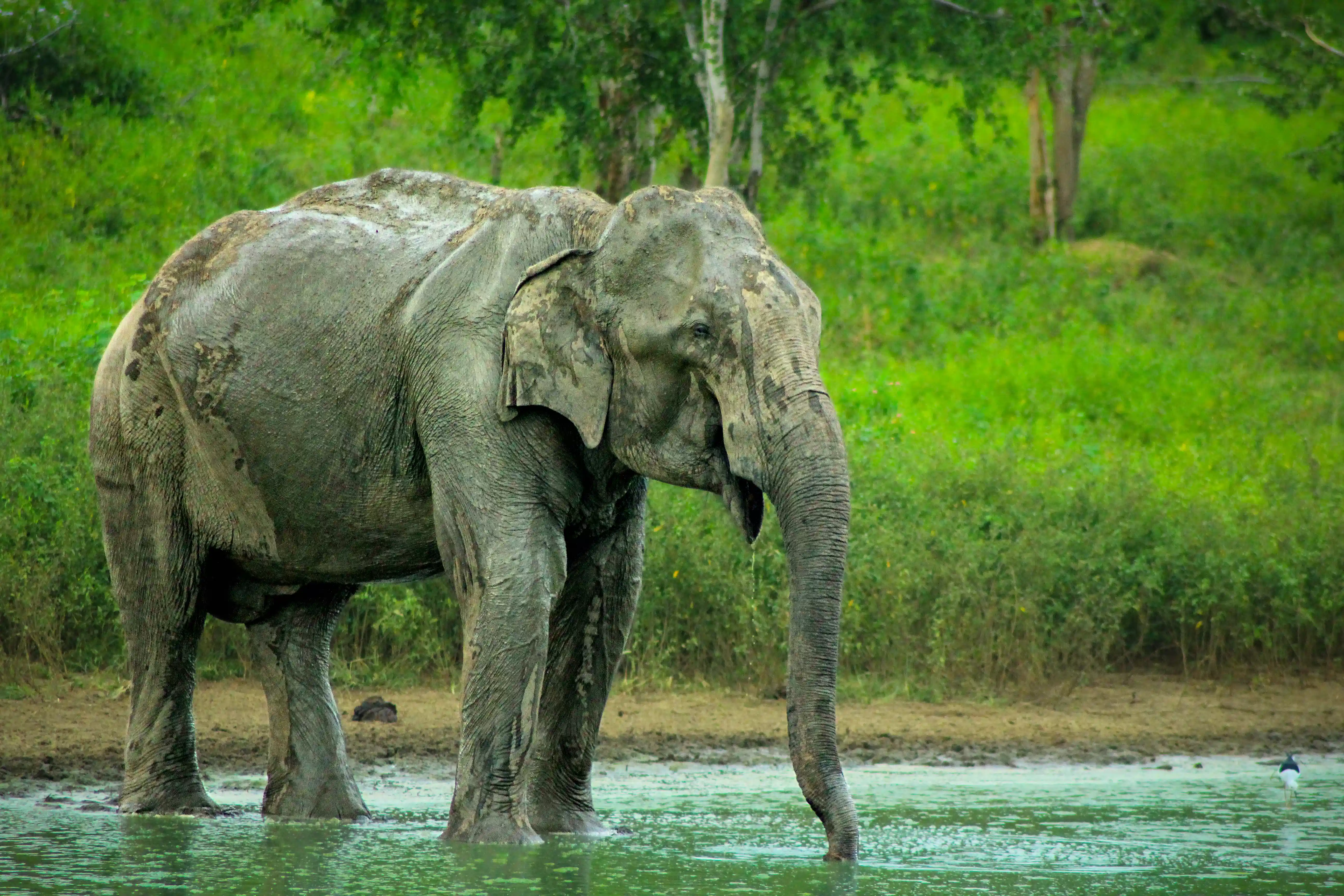
Udawalawe is particularly popular for Asian elephant sightings and can be incorporated into journeys between the southern coast and the hill country.
Wilpattu National Park
Located in the northwest, Wilpattu is Sri Lanka's largest national park and is known for its distinctive natural lakes or "villus" and diverse wildlife.
Minneriya and Kaudulla
The area around Minneriya and Kaudulla National Parks is famous for elephant gatherings, particularly during suitable seasonal conditions.
Kumana National Park
Kumana is an important destination for birdwatchers, with wetlands and habitats supporting a wide variety of bird species.
Sri Lanka for Adventure Travellers
Sri Lanka is increasingly attractive to travellers looking for active and outdoor experiences.
Adventure activities include:
Hiking
Trekking
Surfing
Scuba diving
Snorkelling
White-water rafting
Cycling
Kayaking
Wildlife safaris
Mountain walks
Waterfall excursions
Camping
Whale watching
Popular hiking destinations include Knuckles Mountain Range, Horton Plains, Ella, Adam's Peak and the central highlands.
For surfers, destinations such as Arugam Bay, Weligama and Hiriketiya provide different styles of surf experiences depending on the season.
Rainforests and Biodiversity
Sri Lanka's biodiversity is one of its greatest natural assets.
The Sinharaja Forest Reserve, a UNESCO World Heritage property, protects one of the island's most important remaining areas of tropical rainforest.
The central highlands also contain important ecosystems, while protected areas throughout the island provide habitats for mammals, reptiles, amphibians and birds.
The island's compact geography makes it possible to experience very different ecosystems during a single journey.
Sri Lanka's Cultural Diversity
Sri Lanka is a multicultural and multilingual country with long-established Sinhalese, Tamil, Muslim and other communities.
Its cultural diversity can be experienced through:
Religious festivals
Traditional dance
Music
Handicrafts
Architecture
Local markets
Traditional cuisine
Religious ceremonies
Village life
Visitors can experience Buddhist temples, Hindu kovils, mosques and Christian churches, reflecting the island's long and diverse history.
Sri Lankan Food: A Journey of Flavours
Food is an essential part of travelling in Sri Lanka.
Traditional Sri Lankan cuisine is known for its use of spices, coconut, herbs and fresh local ingredients.
Visitors should try:
Rice and curry
Hoppers
String hoppers
Kottu roti
Dhal curry
Pol sambol
Fish curry
Seafood
Lamprais
Watalappam
Fresh tropical fruit
Ceylon tea
Sri Lankan cuisine varies between regions, communities and households, so trying local food is an important part of discovering the country.
Cinnamon, Spices and Ceylon's Natural Treasures
Sri Lanka has been connected with the international spice trade for centuries.
The island is particularly famous for Ceylon cinnamon, while other important agricultural products include pepper, cloves, cardamom and nutmeg.
Visitors can explore spice gardens, traditional food markets and local agricultural communities to discover how many of these products are grown and prepared.
Sri Lanka: The Island of Ceylon Gems
Sri Lanka is also famous around the world for its natural gemstones.
The country has a long association with Ceylon sapphires, including blue sapphire, yellow sapphire, pink sapphire, padparadscha, star sapphire and colour-changing sapphire.
Other gemstones associated with Sri Lanka include:
Spinel
Garnet
Tourmaline
Chrysoberyl
Cat's-eye
Zircon
Topaz
Beryl
The traditional gem-producing regions around Ratnapura, Elahera, Balangoda and other parts of the island have helped give Sri Lanka its reputation as an important source of natural gemstones.
For travellers interested in gemstones and jewellery, a responsible gem experience can provide an opportunity to learn about mining, cutting, polishing and traditional Sri Lankan jewellery craftsmanship.
Galle Fort and Sri Lanka's Colonial Heritage
The historic Galle Fort on the southern coast combines Sri Lankan, Portuguese, Dutch and British influences.
Visitors can explore:
Historic fortifications
Colonial architecture
Churches
Museums
Boutique hotels
Cafés
Restaurants
Independent shops
Ocean views
Galle is particularly attractive for travellers who enjoy combining history, architecture, food and coastal scenery.
Trincomalee and the East Coast
Trincomalee is one of Sri Lanka's most fascinating coastal destinations.
The area is known for its beaches, natural harbour, marine life and Hindu heritage.
Nearby Nilaveli provides a beautiful setting for a beach holiday, while Pigeon Island National Park offers opportunities for snorkelling and exploring marine environments.
The east coast can be particularly appealing during the southwest monsoon period when the southern and western coasts are wetter.
Jaffna and Northern Sri Lanka
Travellers looking for a different side of Sri Lanka can travel north to Jaffna.
Northern Sri Lanka offers a distinctive cultural landscape influenced strongly by Tamil heritage.
Visitors can discover:
Hindu temples
Traditional Tamil cuisine
Historic forts
Islands and coastal landscapes
Local markets
Palmyra products
Cultural traditions
Jaffna can be added to longer Sri Lanka itineraries for travellers who want to go beyond the country's most visited tourist routes.
Wellness, Ayurveda and Slow Travel
Sri Lanka is also a destination for travellers interested in wellness, Ayurveda, yoga and slow travel.
Wellness experiences can include:
Ayurveda treatments
Yoga
Meditation
Herbal treatments
Nature retreats
Beach relaxation
Mountain retreats
Healthy local cuisine
The combination of tropical surroundings, traditional wellness practices and quieter rural destinations makes Sri Lanka suitable for travellers seeking a slower pace.
Responsible and Sustainable Travel in Sri Lanka
Modern travellers are increasingly interested in experiences that benefit local communities and protect the environment.
When travelling around Sri Lanka, visitors can support responsible tourism by:
Choosing locally owned accommodation and businesses
Supporting local guides
Buying authentic local handicrafts
Respecting wildlife
Avoiding single-use plastics where possible
Following national park regulations
Respecting religious customs
Supporting community-based tourism
Choosing experiences that protect natural and cultural heritage
Sri Lanka Tourism's stated tourism vision focuses on authentic and diverse experiences while encouraging social inclusion, environmental responsibility and benefits for communities.
How Long Should You Spend in Sri Lanka?
Sri Lanka can be visited in a short holiday, but a longer itinerary allows travellers to experience much more of the island.
5–7 Days
Ideal for a focused itinerary combining destinations such as:
Colombo → Sigiriya → Kandy → Ella → South Coast
8–10 Days
Allows more time for:
Cultural Triangle → Kandy → Tea Country → Ella → Yala → South Coast
12–14 Days
A longer journey can include:
Colombo → Anuradhapura → Sigiriya → Kandy → Nuwara Eliya → Ella → Yala → Galle → South Coast
14+ Days
Travellers with more time can explore additional regions such as:
Jaffna, Trincomalee, Nilaveli, Pasikuda, Arugam Bay, Knuckles, Wilpattu or the northern and eastern regions.
The ideal route depends heavily on the season, interests and pace of travel.
Why Choose Sri Lanka for Your Next Asian Holiday?
Sri Lanka offers something that many destinations struggle to combine in one trip:
Ancient culture + tropical beaches + wildlife + mountains + tea + food + adventure + wellness + gemstones.
You can watch elephants in the morning, explore an ancient kingdom in the afternoon and enjoy a sunset beside the Indian Ocean in the evening.
You can travel through mist-covered tea plantations, discover traditional villages, hike through forests, surf tropical waves, explore historic forts and finish your journey with a relaxing beach stay.
That extraordinary variety is what makes Sri Lanka travel so appealing.
Start Planning Your Sri Lanka Holiday
Whether you are planning your first trip to Asia, a romantic honeymoon, a family vacation, a wildlife adventure, a cultural journey or a relaxing beach escape, Sri Lanka offers a wide choice of experiences.
From Colombo to Kandy, Sigiriya to Ella, Nuwara Eliya to Galle, Yala to Trincomalee, every region has its own character and story.
Sri Lanka is more than a beach destination.
It is an island of ancient kingdoms, sacred temples, wild forests, tea-covered mountains, colourful markets, tropical beaches, extraordinary wildlife and centuries-old traditions.
Discover Sri Lanka with Tranquil Sri Lanka Tours and experience the many worlds of this remarkable island.
Frequently Asked Questions About Sri Lanka
Is Sri Lanka a good destination for a holiday?
Sri Lanka offers a combination of beaches, wildlife, cultural heritage, mountains, food, adventure and wellness experiences, making it suitable for many different styles of travel.
What is Sri Lanka famous for?
Sri Lanka is famous for Ceylon tea, Ceylon sapphires and gemstones, tropical beaches, ancient cities, Buddhist heritage, wildlife, spices, cinnamon, elephants and scenic mountain landscapes.
What are the best places to visit in Sri Lanka?
Popular destinations include Sigiriya, Kandy, Ella, Nuwara Eliya, Galle, Yala, Udawalawe, Mirissa, Trincomalee, Anuradhapura, Polonnaruwa, Dambulla and the Knuckles Mountain Range.
What is the best time to visit Sri Lanka?
The best time depends on the part of the country you want to visit. Sri Lanka has two major monsoon systems, so the south and west coasts and the east coast have different seasonal patterns.
How many days do you need in Sri Lanka?
A 7–10 day Sri Lanka itinerary can cover several major attractions, while 12–14 days or longer allows travellers to explore the island at a more relaxed pace.
Is Sri Lanka good for wildlife holidays?
Yes. Sri Lanka has numerous national parks where visitors can experience elephants, leopards, sloth bears, crocodiles and many species of birds.
Is Sri Lanka good for a beach holiday?
Yes. With approximately 1,600 km of coastline, Sri Lanka offers beaches and marine experiences around different parts of the island throughout the year, depending on seasonal conditions.
Is Sri Lanka good for honeymoon travel?
Sri Lanka can combine romantic beaches, boutique hotels, mountain scenery, scenic train journeys, wildlife experiences and private cultural tours, making it suitable for a varied honeymoon itinerary.
Plan Your Journey to Sri Lanka
Looking for a Sri Lanka tour from India, the UK, Europe, Australia, the USA, the UAE or elsewhere in Asia?
Explore Sri Lanka with a locally operated travel company and create an itinerary around the experiences that interest you most — culture, wildlife, beaches, tea country, hiking, wellness, adventure, food or gemstones.
Sri Lanka is one island, but it offers many worlds to discover.